
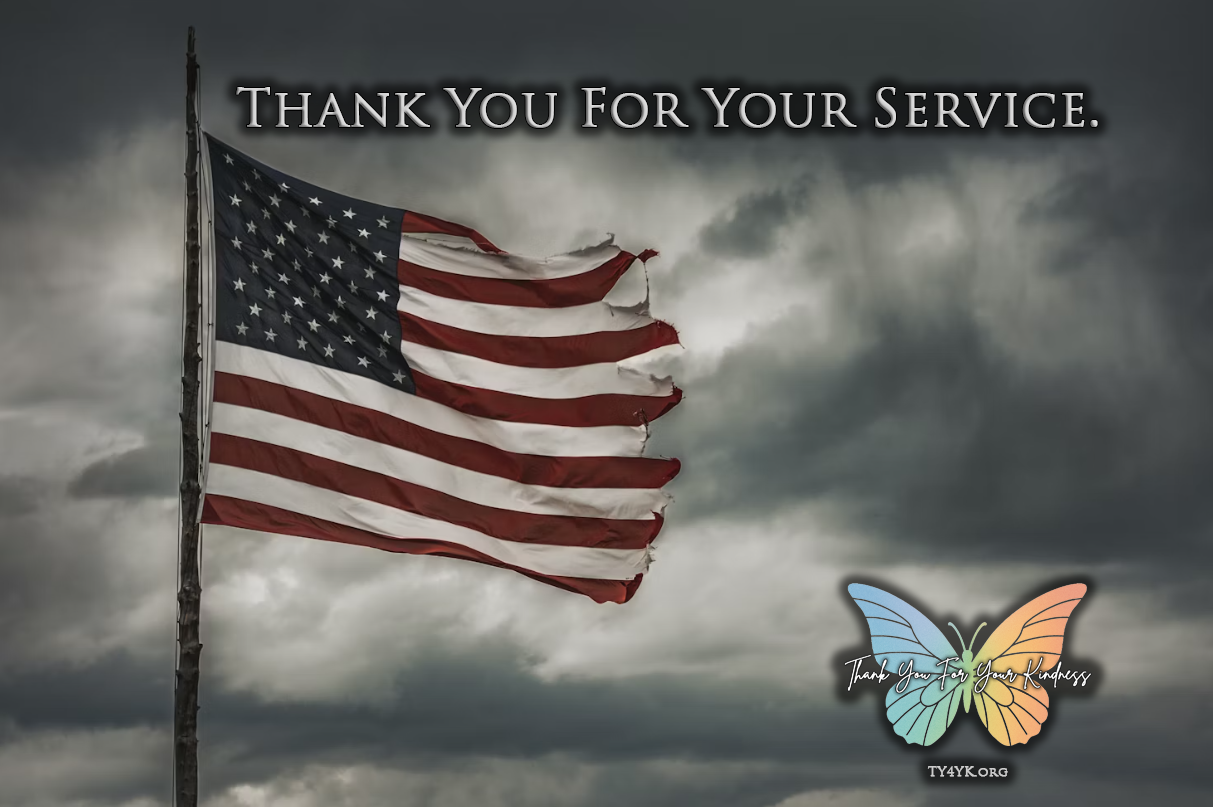
Every year on Veterans Day, our nation pauses to honor the courage, sacrifice, and service of the men and women who have worn the uniform of the United States Armed Forces. It’s a time to express gratitude — but also reflection. Because behind the parades, speeches, and patriotic tributes lies a sobering truth: too many of America’s veterans are struggling to survive without a home.
The Reality of Veteran Homelessness
According to the U.S. Department of Housing and Urban Development (HUD), there were 35,574 veterans experiencing homelessness on a single night in January 2023 — representing about 7% of all homeless adults in the country. That figure, while lower than a decade ago, remains deeply troubling given the unique vulnerabilities of this population.
Source: U.S. Department of Housing and Urban Development, 2023 Annual Homeless Assessment Report (AHAR) to Congress, Part 1.
Roughly one-third of these veterans live in unsheltered conditions, meaning they are on the streets, in cars, abandoned buildings, or other places not meant for habitation. And while progress has been made — veteran homelessness has decreased by 52% since 2010, thanks to coordinated federal, local, and nonprofit efforts — even a single unhoused veteran is one too many.
Source: U.S. Interagency Council on Homelessness (USICH), 2023.
Who Are Our Unhoused Veterans?
Veterans experiencing homelessness are not a monolith. They include men and women of all backgrounds, ages, and service eras — from Vietnam to Iraq and Afghanistan. Yet certain groups face disproportionate challenges:
- Black veterans make up about 33% of the homeless veteran population, despite comprising only 12% of all U.S. veterans.
- Female veterans, one of the fastest-growing subgroups, are nearly twice as likely to experience homelessness as non-veteran women.
- Post-9/11 veterans often face compounding barriers such as PTSD, traumatic brain injury (TBI), and challenges transitioning to civilian employment.
Sources: National Coalition for Homeless Veterans; National Alliance to End Homelessness; VA Women Veterans Task Force, 2024.
Root Causes Go Beyond Housing
Homelessness rarely has a single cause. For veterans, it often arises from an intersection of:
- Unaddressed mental health issues such as PTSD, depression, or anxiety
- Substance use disorders
- Economic hardship or unemployment
- Lack of social support networks
- Difficulty navigating complex systems for benefits, housing, or healthcare
In short, veteran homelessness is not simply about the absence of shelter — it’s about the absence of stability, connection, and access to sustained support.
TY4YK and Project 1×1: From the Streets to Stability
At Thank You For Your Kindness (TY4YK), we believe that gratitude should be active, not passive. Saying “thank you for your service” is important — but showing kindness through action is where real change begins.
That’s the spirit behind Project 1×1, our flagship initiative dedicated to meeting people where they are — one person, one act, one connection at a time.
While Project 1×1 serves all individuals facing homelessness, we are acutely aware of the disproportionate number of veterans who make up this population. Our work — from providing essential items and meals to connecting people with supportive services — aligns closely with the vision of ensuring that every veteran who served our country has the stability, dignity, and compassion they deserve.
When we engage one-on-one with individuals on the streets, we often meet veterans whose stories remind us that the line between service and struggle can be heartbreakingly thin. Behind each face is a life that once served — and a life that still matters.
A National Commitment That Must Continue
The federal government’s efforts to end veteran homelessness — through initiatives like HUD-VASH (Veterans Affairs Supportive Housing) and Supportive Services for Veteran Families (SSVF) — have proven that progress is possible when compassion meets coordination.
Yet the recent rise of 7.4% in veteran homelessness between 2022 and 2023 (after several years of decline) shows that we cannot take progress for granted.
Source: HUD 2023 AHAR.
Economic pressures, housing shortages, and the lingering effects of the pandemic have all contributed to renewed instability for many veterans. Addressing this requires sustained commitment, cross-sector collaboration, and community-level empathy.
How You Can #ShowYourKindness
This Veterans Day, TY4YK invites you to honor our nation’s veterans in a way that makes a lasting impact. Here are a few ways to #ShowYourKindness:
- Learn and Listen: Take time to understand the issues veterans face after service. Compassion begins with awareness.
- Support Local Organizations: Donate or volunteer with nonprofits serving homeless veterans — or support TY4YK’s Project 1×1 as we expand our outreach capacity.
- Advocate for Solutions: Urge local leaders to prioritize affordable housing, accessible healthcare, and employment pathways for veterans.
- Offer Human Connection: Sometimes the most powerful act of kindness is acknowledgment — a simple conversation, a meal shared, a moment of dignity restored.
Text “HelpAVet” to 844-844-6844
Funds donated with this purpose will be used to support initiatives for veterans experiencing homelessness, helping us provide meaningful support to this deserving population. Every small contribution makes a difference, and together we can create a world where no person – man or woman – is left behind.
A Final Reflection
On this Veterans Day, we remember that honoring service means protecting the well-being of those who served — in uniform and beyond. TY4YK remains committed to doing our part, person by person, act by act, in gratitude and solidarity.
Because no one who fought for this country should ever have to fight for a place to sleep.